Welcome to the Chair of Political Systems and European Integration
About us
For the German language version of the Hompepage, click here: DE
Prof. Dr. Klaus Goetz’s Chair of Political Systems and European Integration conducts research on various topics. One focus is on how the timing and synchronisation of policy processes across EU, national, and subnational governments and parliaments shape power and democratic governance in multi-level political systems. Through the ERC-funded SYNCPOL project, we study challenges and opportunities arising from different time preferences and coordination demands, with a special emphasis on migration-asylum and public health policies. Our research aims to generate new insights into the importance of temporal coordination for effective and equitable policymaking in Europe’s complex political landscape.
Within the ForGeRex project we analyse policy making in the field of right-wing extremism and racism in Bavaria. Our approach is political science and linguistic. The aim is to gain insights into the characteristics and functioning of state policy-making. The TP works out the influence of institutions and actors as well as ideas and discourse patterns – framing – on policymaking. Based on this, we identify challenges and potentials in dealing with the topic area by politics and administration.
Lucas Schramm’s research interests concern European integration history and theories, interinstitutional relations in the European Union, Franco-German relations, EU crisis politics, and European integration in the geopolitical age. His most recent publications include a co-authored monograph on the European Council.
The project “How Mainstream Parties Deal with Conflict: Rules, Practices, Media Exposure”, funded by the German Research Council (DFG), deals with how major political parties manage internal conflicts to maintain organizational stability and democratic functionality. It examines the formal rules, practical measures, and the role of media exposure in regulating intra-party conflicts. Using a cross-national mixed-methods approach, the project analyzes eight major parties in Germany, Austria, Spain, and the United Kingdom between 1982 and 2023 to identify factors shaping conflict management strategies and to compare how mainstream parties in advanced democracies handle internal disputes.
Latest
- PD. Dr. Martin Gross im Interview mit HandelsblattPD. Dr. Martin Gross wurde zu seiner Einschätzung bezüglich des CSU-Treffens “Seeon” befragt. Der ganze Artikel kann unter folgendem Link abgerufen werden: https://www.handelsblatt.com/politik/deutschland/csu-klausur-manches-wird-wehtun-soeder-fordert-harten-reformkurs/100188763.html
- PD. Dr. Martin Gross im Interview mit dem DLF KulturPD. Dr. Martin Gross wurde zum Thema “Kommunalwahlen in Bayern – Junge Union tritt auch an (Länderreport)” interviewt. Das gesamte Interview kann unter folgendem Link abgerufen werden: https://www.deutschlandfunkkultur.de/kommunalwahlen-in-bayern-junge-union-tritt-auch-an-laenderreport-100.html
- PD Dr. Martin Gross im Interview mit dem BR24PD Dr. Martin Gross wurde vom BR24 zur Abstimmung über die Rentenreform im Bundestag interviewt. Seine Einordnungen des Handelns der Union und der Linken wurden im Artikel “Rente: Warum die Linke zum Zünglein an der Waage werden könnte” amContinue reading “PD Dr. Martin Gross im Interview mit dem BR24”
Watch our brief introduction video to learn more about the research focus of the department and the course content for our students.
Current Research Projects

SYNCPOL – Synchronized Politics: Multiple Times and Political Power
Drawing on institutionalist theory, SYNCPOL conceptualises synchronisation arrangements as a critical variable that is fundamental to the distribution of political power amongst policy-makers. It rigorously probes hypotheses on this crucial connection employing a mixed-methods design that combines document analysis, interviews, a major survey, dictionary-based text analysis and process tracing. The project examines synchronisation across EU, national and subnational governments, parliaments and administrative agencies, with a focus on six multi-level democracies: Austria, Belgium, France, Germany, Italy, Spain. The analysis covers two policy domains – migration-asylum and public health policy – since the early 2010s. SYNCPOL will generate fundamentally new insights into how time shapes democratic multi-level politics and policy….Read More

Right-Wing extremism and racism – framing and policy making in Bavaria
The project analyses policy making in the field of “right-wing extremism and racism” in Bavaria. The aim is to gain insights into the characteristics and functioning of state policy making. The subproject analyses the influence of (1) institutions and actors as well as (2) ideas and discourse patterns – framing – on policy making. Based on this, we identify challenges and potentials in dealing with the topic area by politics and administration. Read more.

People of Munich in Focus
The Project “People of Munich in Focus” with the state capital of Munich analyses Diversity and Discrimination within the urban society and assesses needs regarding personnel and organizational development in order to further professionalize the city’s own racism-critical and discrimination-sensitive competences and structures…Read More
Our Teaching
The Chair of “Political Systems and European Integration” covers a broad spectrum of content in both the Bachelor’s and Master’s programs. A particular focus is initially placed on questions of European integration and Europeanization. In lectures, exercises and seminars, we examnine both the way the political system of the EU functions and the effects of integration on member states and candidates….Read More.
Courses in the current winter semester 2025/2026
| Monday | Tuesday | Wednesday | Thursday | Friday | |
| 08:00 – 10:00 | Parteien und Parteien-wettbewerb in Deutschland –PD Dr. Martin Gross | ||||
| 10.00 – 12.00 | Qualitative Forschungsdesigns – Dr. Tanja Zinterer | Die Bundesrepublik Deutschland – eine Konsens-demokratie? – Dr. Tanja Zinterer | Wie wird regiert? – Prof. Dr. Klaus H. Goetz | Soziale Bewegungen im Vergleich – Dr. Tanja Zinterer | |
| 12.00 – 14.00 | |||||
| 14.00 – 16.00 | Bachelor-Kolloquium – PD Dr. Martin Gross Franco-German relations in the European Union – Dr. Lucas Schramm | Die Bundesrepublik Deutschland – eine Konsens-demokratie? – Dr. Tanja Zinterer Politische Kultur, Partizipation, Parteiensystem – Johanna Schmidt-Jevtic | Politische Kultur, Partizipation, Parteiensystem – Johanna Schmidt-Jevtic Übung Praktikums-begleitung (verblockt)- Dr. Tanja Zinterer | ||
| 16.00 – 18.00 | Politics and Time – Prof. Dr. Klaus H. Goetz The Political System of the European Union – Dr. Lucas Schramm | Übung Praktikums-begleitung (verblockt) – Dr. Tanja Zinterer |
Contact
sekretariat.goetz@gsi.uni-muenchen.de
+49 (0) 89 / 2180-9040
Oettingenstr. 67
Geschwister-Scholl-Institut für Politikwissenschaft
80538 München

OUR TEAM
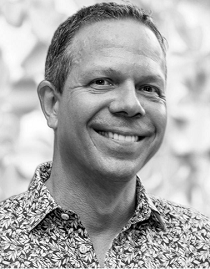
Prof. Dr. Klaus Goetz
Chair of the Department

Karin Nutzinger
Secretariat

PD Dr. Martin Gross
Research Assistant
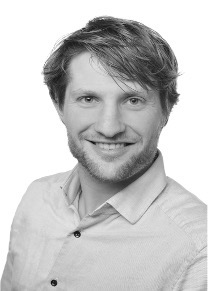
Dr. Leonce Röth
Research Assistant
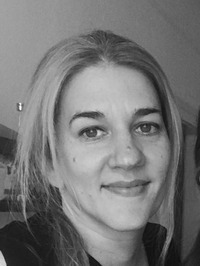
Dr. Britta Schellenberg
Research Assistant

Johanna Schmidt-Jevtic, M.A.
Research Assistant

Dr. Lucas Schramm
Research Assistant
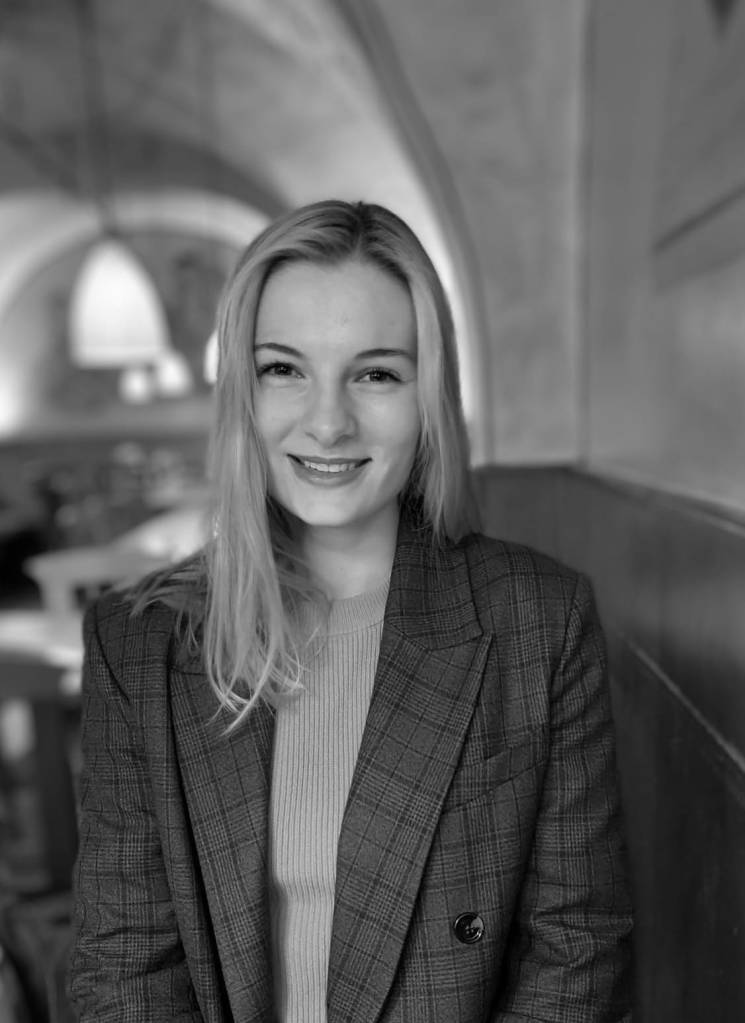
Paulina Seelmann
Research Assistant

Dr. Radu-Mihai Triculescu
Research Assistant
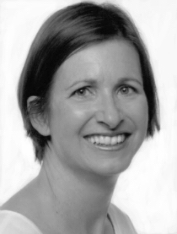
Dr. Tanja Zinterer
Research Assistant
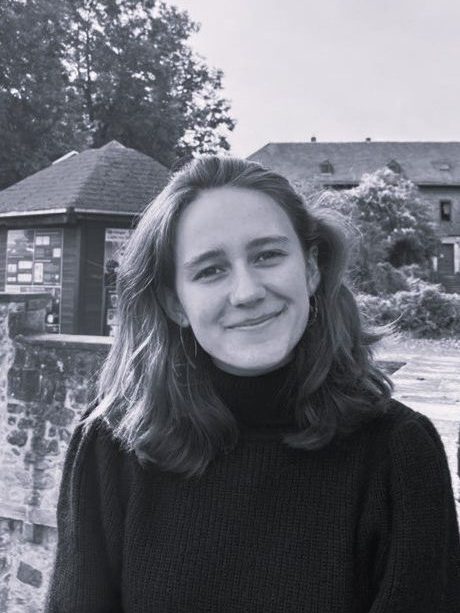
Paula Dornbusch Research Assistant
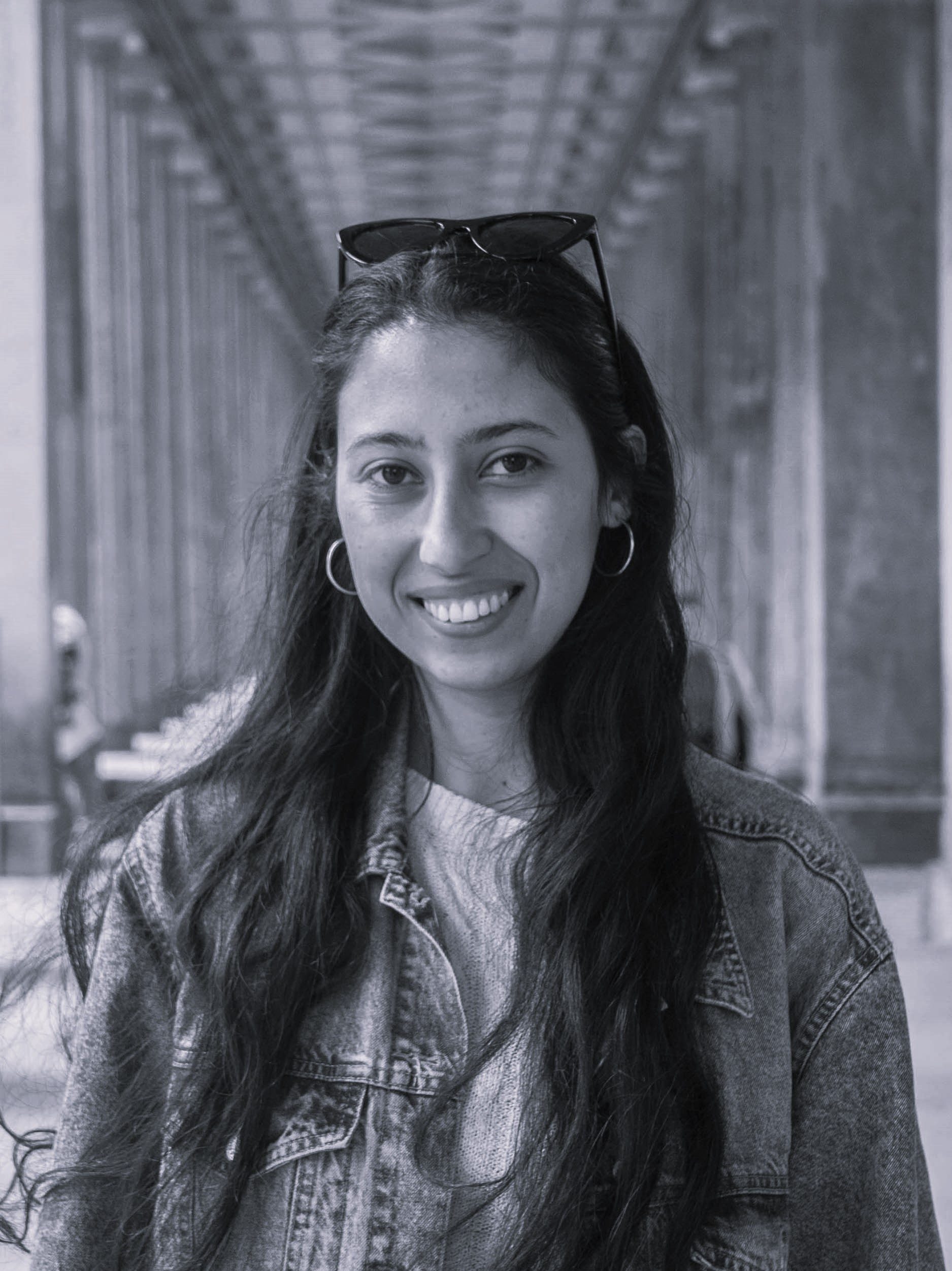
Nermin Abbassi
Research Assistant

Christoph Ivanusch
Research Assistant
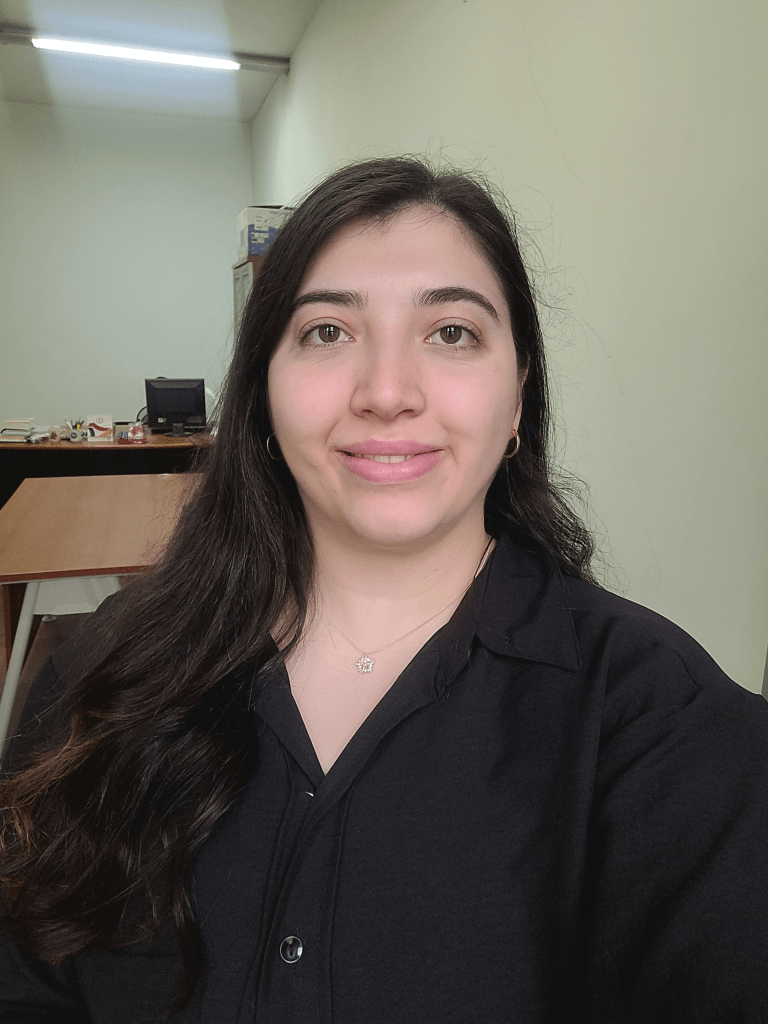
Bilge Ece Gün Guest of the Chair
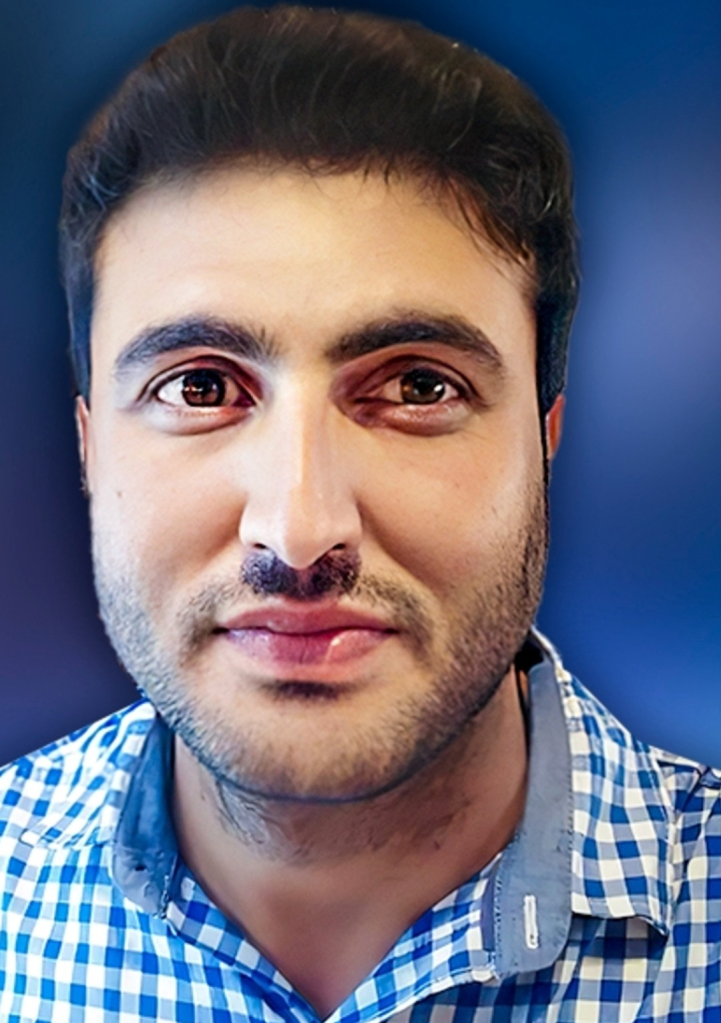
Aftab Alam
Guest of the Chair
Lasse Kristensen
Guest of the Chair

Bartu Turan
Student Assistant
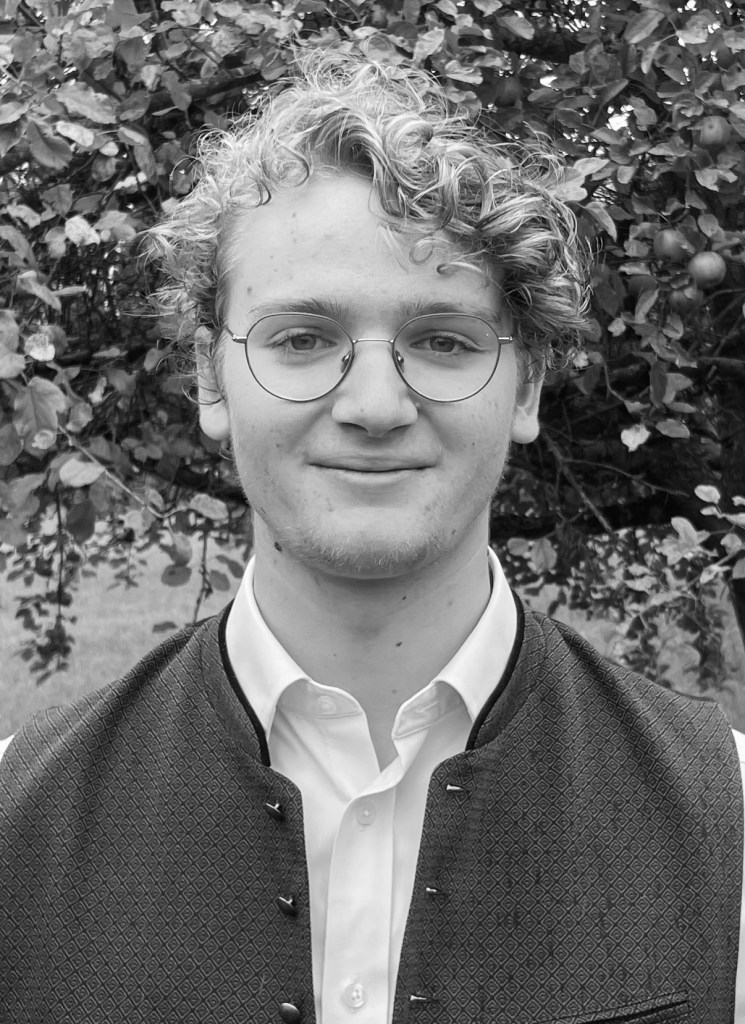
Vitus Schauer
Student Assistant
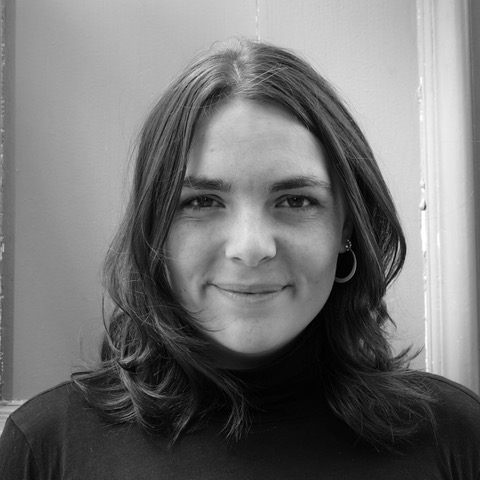
Antonia Granser
Student Assistant
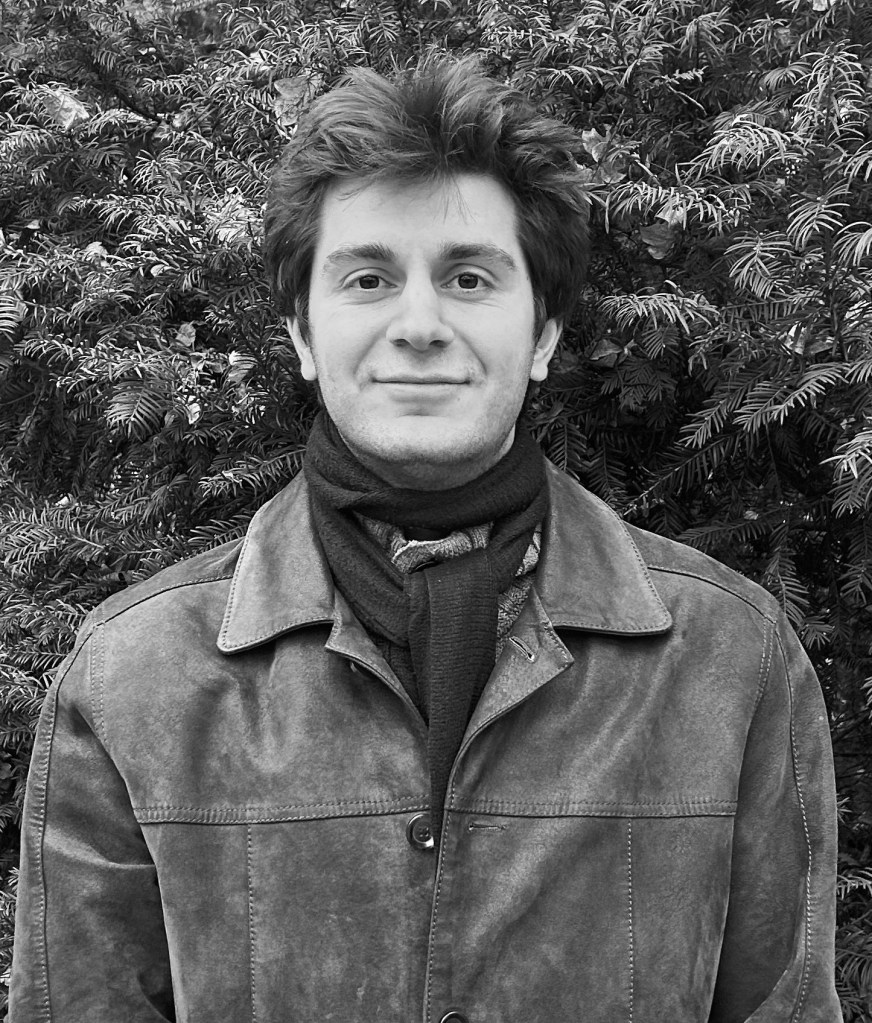
Selahattin Genis
Student Assistant

Noel Schmid
Student Assistant
 Politische Systeme und Europäische Integration